


How to choose the glass configuration for broken bridge aluminum alloy sliding windows to balance sound insulation and heat insulation?
Release Time : 2026-01-08
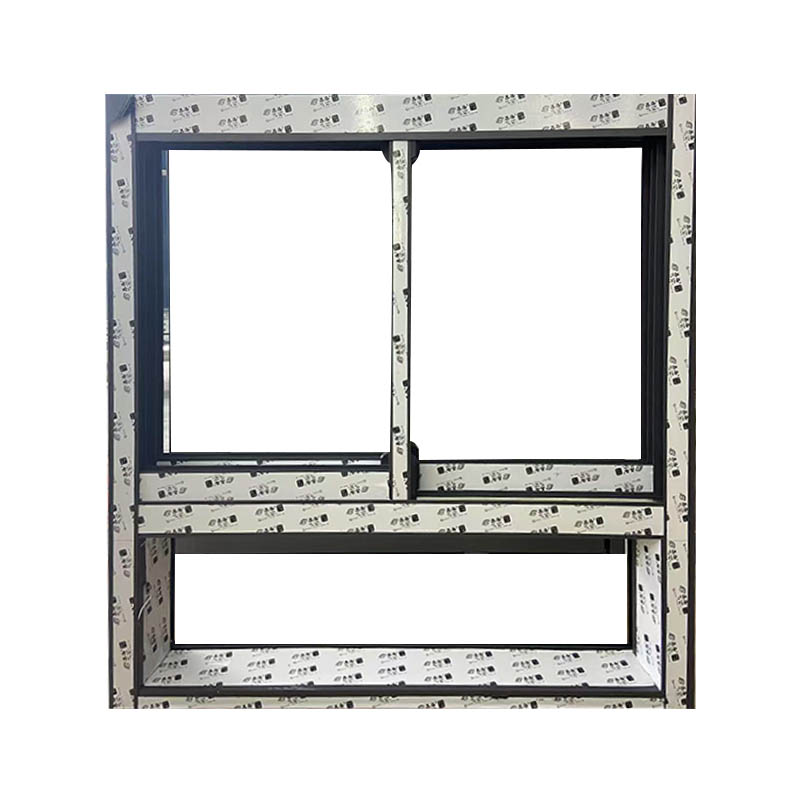
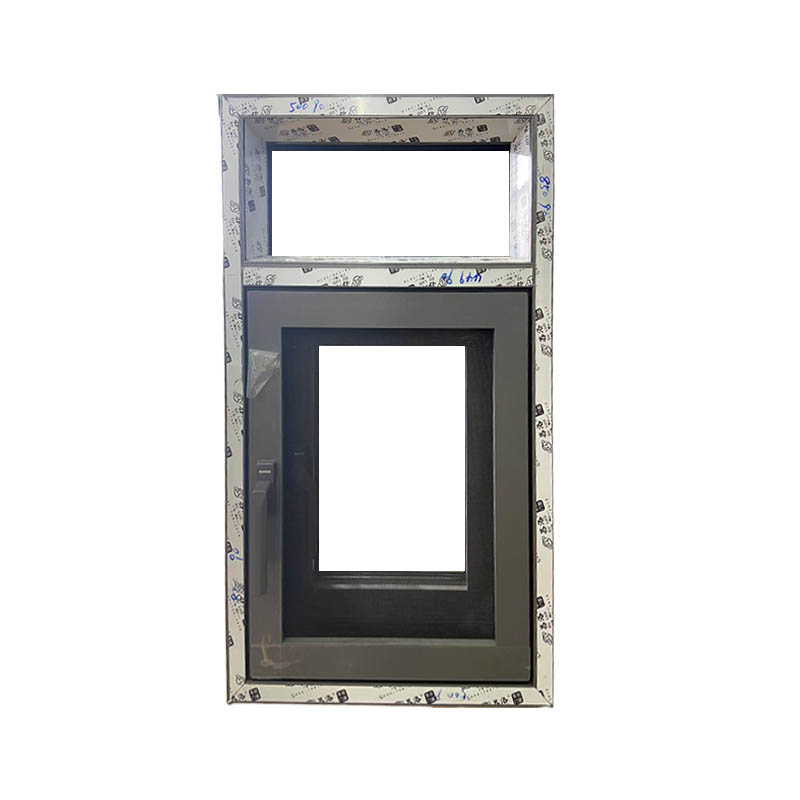
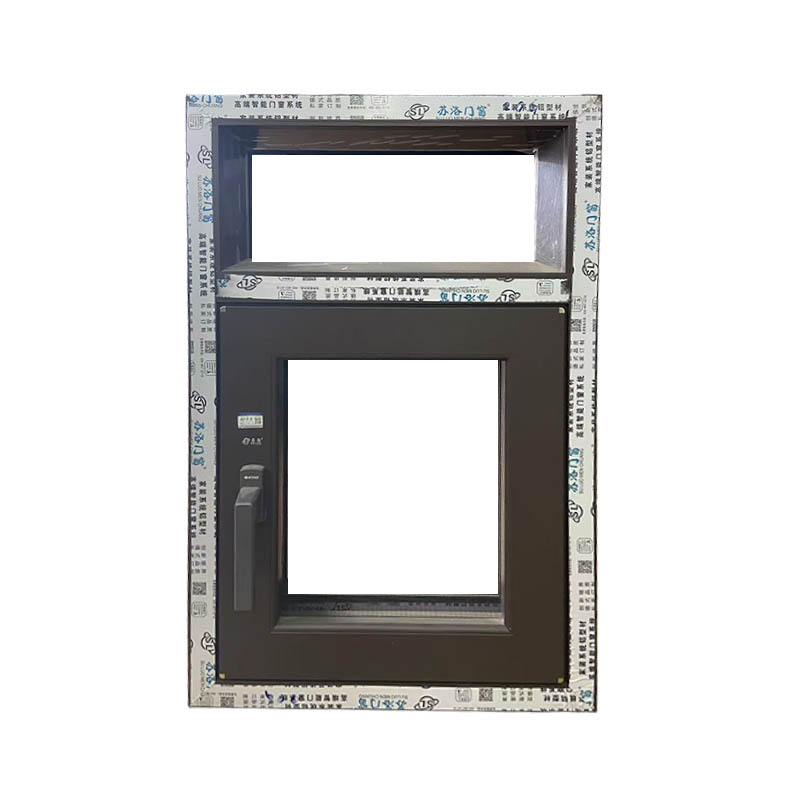
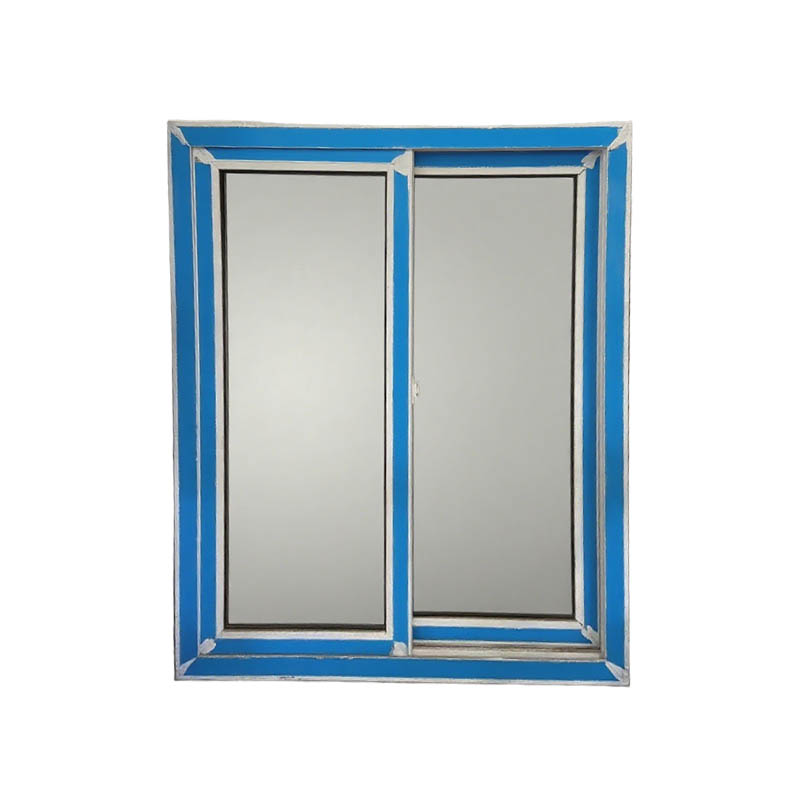
The glass configuration of broken bridge aluminum alloy sliding windows is a core factor affecting their sound and heat insulation performance, requiring comprehensive selection based on the actual usage scenario, noise type, and environmental characteristics. As the primary channel for heat and sound transfer, the structure and material of glass directly determine the overall performance of the window and door system. In the design of broken bridge aluminum alloy sliding windows, glass configuration must balance functionality and economy, achieving a performance balance through scientific combination.
Insulating glass is a common configuration for broken bridge aluminum alloy sliding windows, forming a thermal barrier through an air layer between two or more panes of glass. The low thermal conductivity of the air layer effectively blocks heat transfer, reducing energy loss caused by indoor and outdoor temperature differences. Simultaneously, the insulating structure significantly attenuates high-frequency noise (such as human voices and horn sounds), making it suitable for high-frequency noise environments such as urban residences and offices. However, insulating glass has limited effectiveness in isolating low-frequency noise (such as traffic noise and equipment vibration) because low-frequency sound waves easily induce glass resonance, weakening sound insulation performance. If the living environment is dominated by high-frequency noise, insulating glass is an economical and practical choice.
Laminated glass consists of two layers of glass sandwiched together with a PVB film to form a composite structure. The film's damping properties absorb and attenuate sound wave energy, suppressing glass vibration and thus blocking sound transmission. This configuration is particularly effective at isolating low-frequency noise, making it suitable for residences near airports, railways, or elevated highways. Furthermore, laminated glass offers higher safety; even if the glass breaks, the film keeps the fragments together, preventing them from falling and causing injury. However, the thermal insulation performance of laminated glass is similar to that of ordinary monocular glass, requiring the integration of other technologies to improve overall energy efficiency. For applications requiring both low-frequency noise reduction and safety, laminated glass is an ideal solution.
To balance sound and heat insulation, laminated insulated glass has become the preferred choice for high-end broken bridge aluminum alloy sliding windows. This configuration combines laminated glass with an insulated structure. The outer layer uses laminated glass to block low-frequency noise, while the inner layer uses the insulated space to block high-frequency noise, forming a full-frequency sound insulation system. Simultaneously, the air or inert gas filling the insulated space further enhances thermal insulation performance and reduces heat transfer. While this composite configuration is more expensive, it significantly improves living comfort, making it particularly suitable for villas, high-end apartments, or areas with severe noise pollution. For those with a sufficient budget and stringent performance requirements, laminated insulated glass offers the optimal solution.
Low-E glass, with a low-emissivity coating on its surface, reflects infrared and ultraviolet rays, reducing solar heat entering the room while allowing visible light to pass through, maintaining indoor lighting. Combined with an insulated structure, low-E insulated glass provides both noise insulation and reduced air conditioning energy consumption, achieving the dual goals of energy saving and comfort. In northern regions with cold winters, high-transmittance low-E glass can be chosen to maximize solar heat utilization while providing insulation; in southern regions with hot summers, sun-shading low-E glass is suitable to reduce temperature increases caused by solar radiation. For those requiring long-term energy savings and prioritizing indoor light quality, low-E insulated glass is a worthwhile investment.
Glass thickness and the spacing between the insulated layers also significantly affect performance. Thicker glass can improve structural rigidity and reduce vibration transmission, but it increases window weight and cost. Increasing the gap between the insulated panes enhances heat and sound insulation, but excessive spacing may reduce structural stability. Typically, a 5mm+12A+5mm insulated glass unit (two 5mm panes of glass and a 12mm insulated pane) is a common choice balancing performance and cost. For further optimization, a 6mm+15A+6mm configuration can be used, or the heat insulation efficiency of the insulated pane can be improved by filling it with inert gases such as argon.
Besides the glass configuration, the sealing performance of broken bridge aluminum alloy sliding windows is equally crucial. Multiple sealing strips can block sound and air penetration, reducing sound leakage and heat conduction. Due to structural limitations, sliding windows generally have weaker sealing performance than casement windows, but good sealing can still be achieved by optimizing the track design and sealing strip material (such as EPDM rubber). During installation, ensure that expanding foam is filled between the window frame and the wall, and sealant is used to seal any gaps to prevent performance degradation due to installation defects.
The glass configuration of broken bridge aluminum alloy sliding windows should be flexibly selected based on specific needs. Insulating glass is preferred in high-frequency noise environments, laminated glass is suitable for low-frequency noise environments, and laminated insulating glass or Low-E insulating glass is recommended for all frequency range noise levels and energy-saving requirements. At the same time, paying attention to glass thickness, interlayer spacing, and sealing performance can further improve overall performance. Through scientific configuration, broken bridge aluminum alloy sliding windows can achieve a perfect balance between sound insulation and heat insulation, creating a quiet and comfortable environment for living spaces.