


How can broken bridge aluminum alloy casement windows utilize double-glazed glass to improve sound insulation and enhance living comfort?
Release Time : 2026-07-07
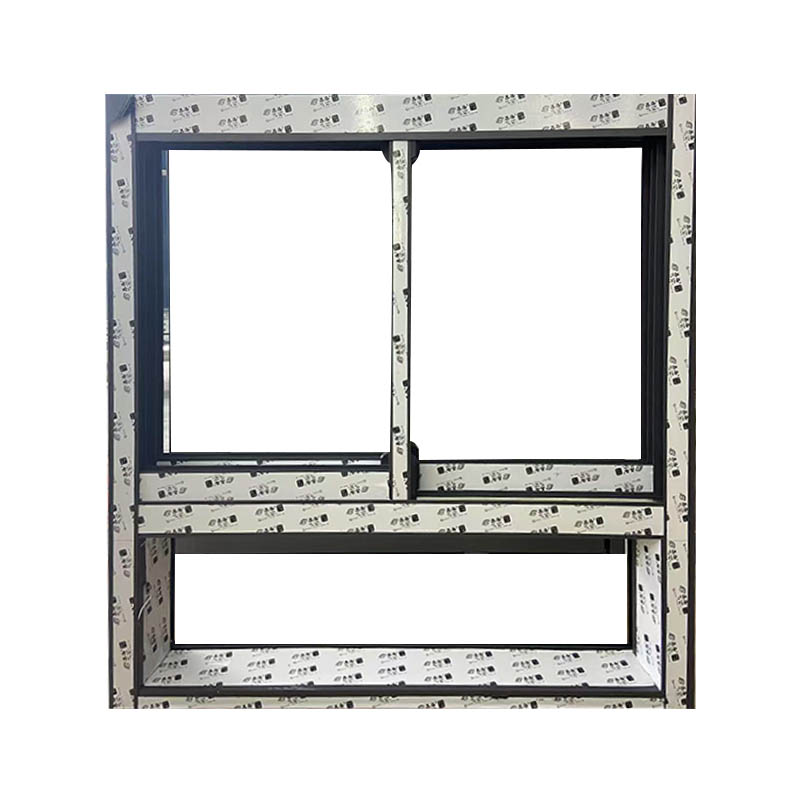
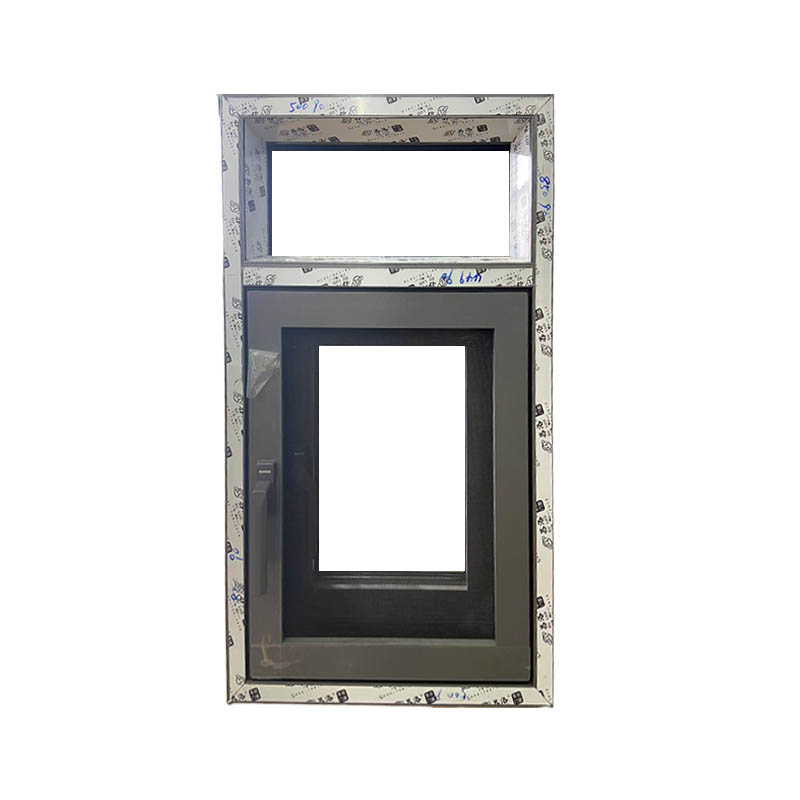
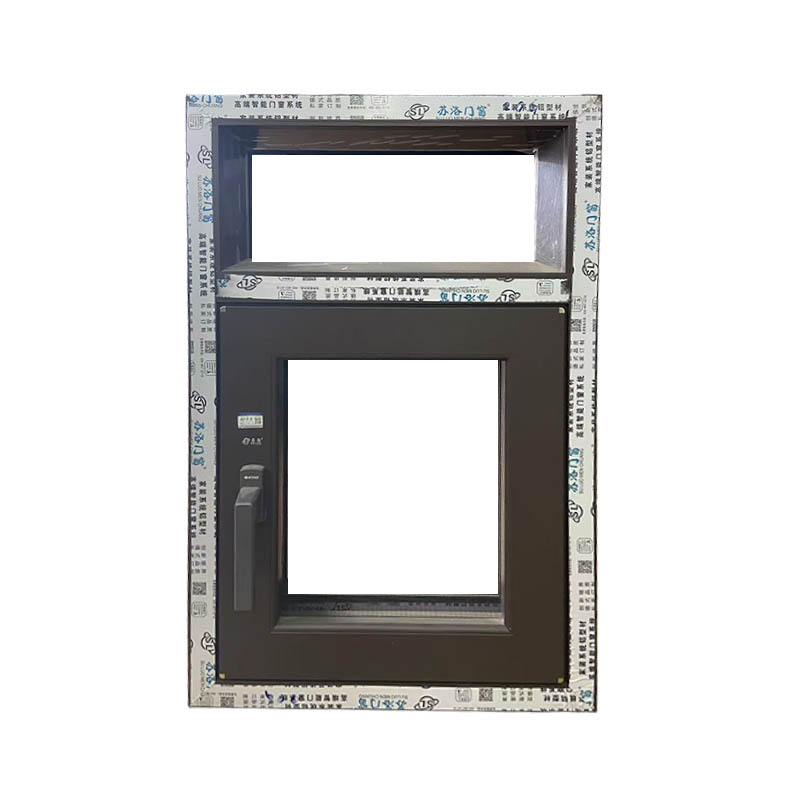
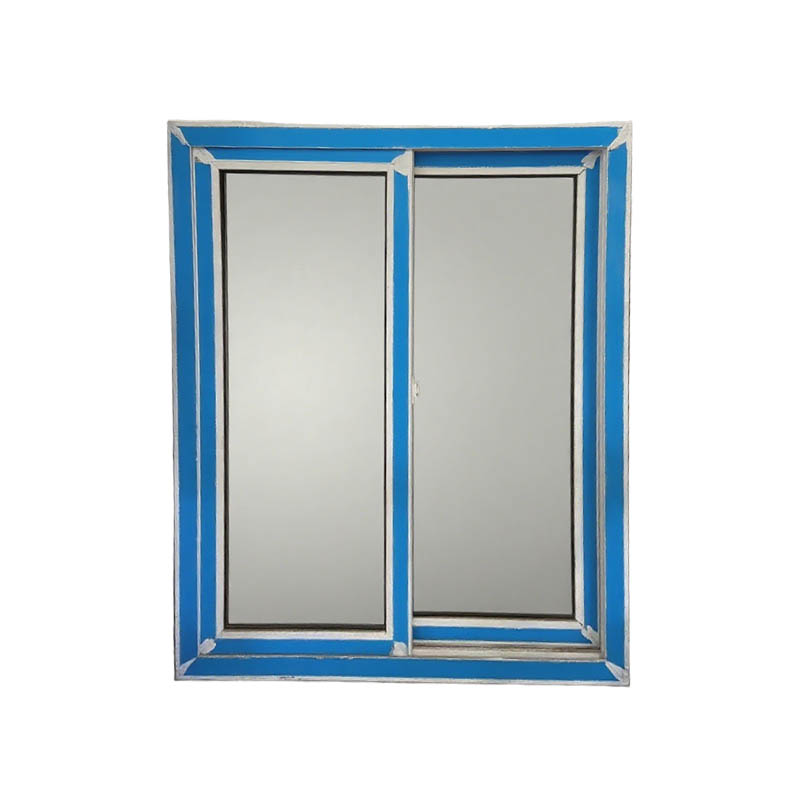
As people's demands for living quality continue to rise, doors and windows not only serve the functions of lighting, ventilation, and security, but have also become crucial components affecting indoor sound insulation, energy efficiency, and comfort. For residential environments with high noise levels, such as those near main urban roads, commercial areas, or airports, excellent sound insulation performance is particularly important. Broken bridge aluminum alloy casement windows, combined with double-glazed glass, effectively reduce the intrusion of external noise by optimizing the glass structure, window frame system, and sealing design, creating a quieter and more comfortable living environment.
1. Double-glazed glass structure effectively blocks noise transmission
Double-glazed glass typically consists of two or more layers of glass, forming a sealed air layer or filled with inert gas in between. Because sound travels at different speeds in different media, when external noise passes through the glass, the air layer weakens the sound wave propagation, reducing the amount of sound energy entering the room. Properly designing the glass thickness and air layer width can further improve the insulation effect against noise of different frequencies, effectively reducing traffic noise, construction noise, and daily environmental noise, thereby enhancing the quietness of the living environment.
2. Thermal Break Structure Combined with Glass Enhances Overall Sound Insulation
Besides double-glazed windows, thermal break aluminum alloy profiles also play a positive role in sound insulation. The thermal break structure uses insulating materials to separate the indoor and outdoor aluminum profiles, reducing heat transfer and also shortening the path of sound transmission through the window frame. The combined effect of double-glazed windows and thermal break profiles creates a more complete sound insulation system, reducing noise transmission from the glass and frame, and improving overall sound insulation performance.
3. Multi-layered Sealing Design Reduces Sound Penetration
The sealing performance of a window directly affects its sound insulation. Broken bridge aluminum alloy casement windows typically employ a multi-layered sealing strip design, ensuring a tight seal between the window sash and the frame when closed, reducing sound leakage from gaps. At the same time, high-quality hardware ensures even force distribution when the window sash is closed, improving the sealing effect. Good airtightness not only helps to isolate noise but also reduces the entry of dust, cold air, and rainwater into the room, further enhancing living comfort.
4. Comprehensive Configuration for a Comfortable Living Environment
Modern broken bridge aluminum alloy casement windows typically select appropriate insulated glass configurations based on different building needs, such as double-glazed, triple-glazed, or laminated insulated glass, to meet the sound insulation requirements of different areas. Simultaneously, combining high-quality profiles, reasonable installation processes, and scientific drainage design further enhances the overall performance of the window, making it advantageous in terms of sound insulation, heat preservation, energy saving, and weather resistance, providing more comprehensive window and door solutions for residential, office, and hotel buildings.
Overall, broken bridge aluminum alloy casement windows achieve a simultaneous improvement in sound insulation and living comfort through insulated glass structures, thermally broken profiles, multi-seal systems, and high-quality hardware. The synergistic effect of multiple technologies not only effectively reduces external noise interference but also ensures heat insulation, energy saving, airtightness, waterproofing, and long-term durability, creating a quieter, more comfortable, and energy-efficient living and working environment for modern buildings.
1. Double-glazed glass structure effectively blocks noise transmission
Double-glazed glass typically consists of two or more layers of glass, forming a sealed air layer or filled with inert gas in between. Because sound travels at different speeds in different media, when external noise passes through the glass, the air layer weakens the sound wave propagation, reducing the amount of sound energy entering the room. Properly designing the glass thickness and air layer width can further improve the insulation effect against noise of different frequencies, effectively reducing traffic noise, construction noise, and daily environmental noise, thereby enhancing the quietness of the living environment.
2. Thermal Break Structure Combined with Glass Enhances Overall Sound Insulation
Besides double-glazed windows, thermal break aluminum alloy profiles also play a positive role in sound insulation. The thermal break structure uses insulating materials to separate the indoor and outdoor aluminum profiles, reducing heat transfer and also shortening the path of sound transmission through the window frame. The combined effect of double-glazed windows and thermal break profiles creates a more complete sound insulation system, reducing noise transmission from the glass and frame, and improving overall sound insulation performance.
3. Multi-layered Sealing Design Reduces Sound Penetration
The sealing performance of a window directly affects its sound insulation. Broken bridge aluminum alloy casement windows typically employ a multi-layered sealing strip design, ensuring a tight seal between the window sash and the frame when closed, reducing sound leakage from gaps. At the same time, high-quality hardware ensures even force distribution when the window sash is closed, improving the sealing effect. Good airtightness not only helps to isolate noise but also reduces the entry of dust, cold air, and rainwater into the room, further enhancing living comfort.
4. Comprehensive Configuration for a Comfortable Living Environment
Modern broken bridge aluminum alloy casement windows typically select appropriate insulated glass configurations based on different building needs, such as double-glazed, triple-glazed, or laminated insulated glass, to meet the sound insulation requirements of different areas. Simultaneously, combining high-quality profiles, reasonable installation processes, and scientific drainage design further enhances the overall performance of the window, making it advantageous in terms of sound insulation, heat preservation, energy saving, and weather resistance, providing more comprehensive window and door solutions for residential, office, and hotel buildings.
Overall, broken bridge aluminum alloy casement windows achieve a simultaneous improvement in sound insulation and living comfort through insulated glass structures, thermally broken profiles, multi-seal systems, and high-quality hardware. The synergistic effect of multiple technologies not only effectively reduces external noise interference but also ensures heat insulation, energy saving, airtightness, waterproofing, and long-term durability, creating a quieter, more comfortable, and energy-efficient living and working environment for modern buildings.