


What specific effect does anodizing treatment have on the weather resistance of broken bridge aluminum alloy sliding window profiles?
Release Time : 2026-03-19
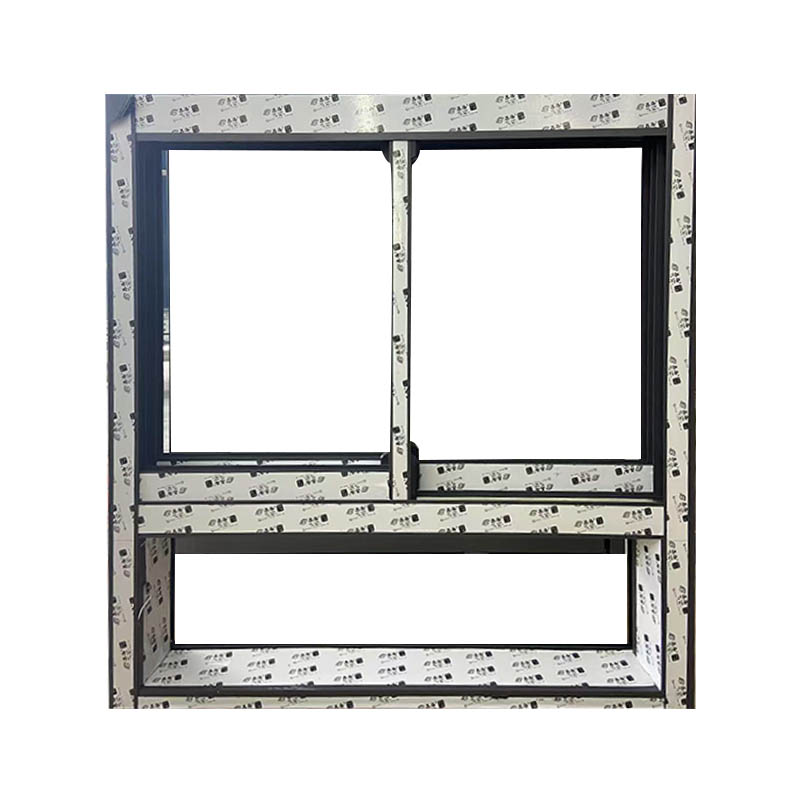
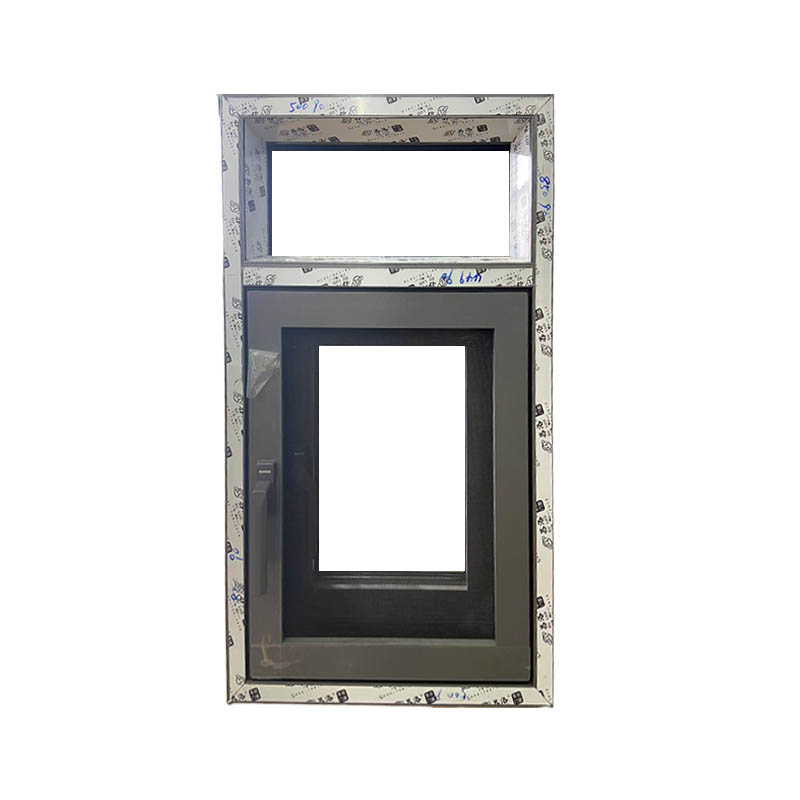
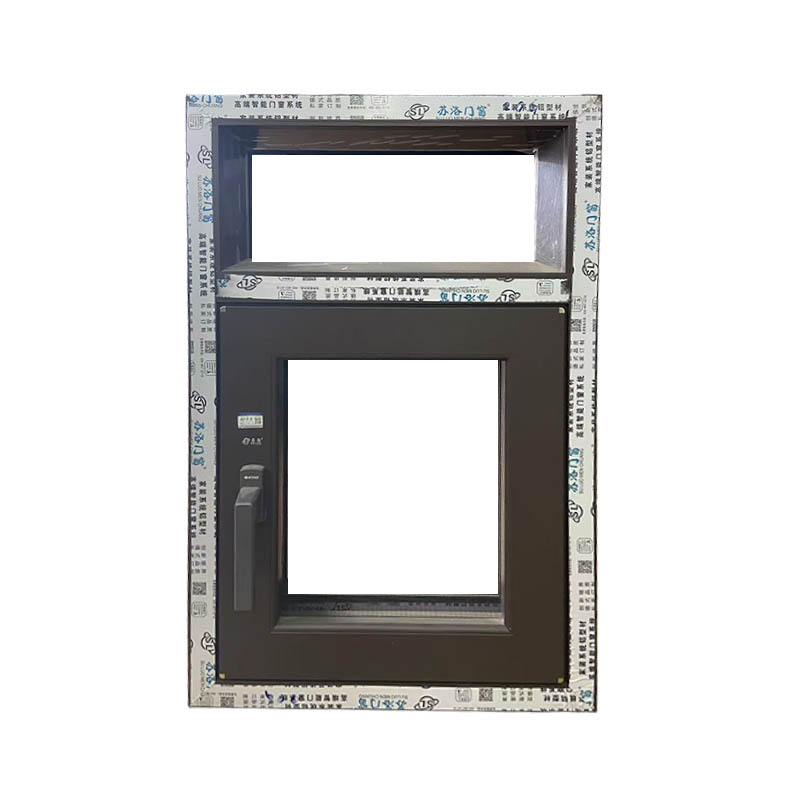
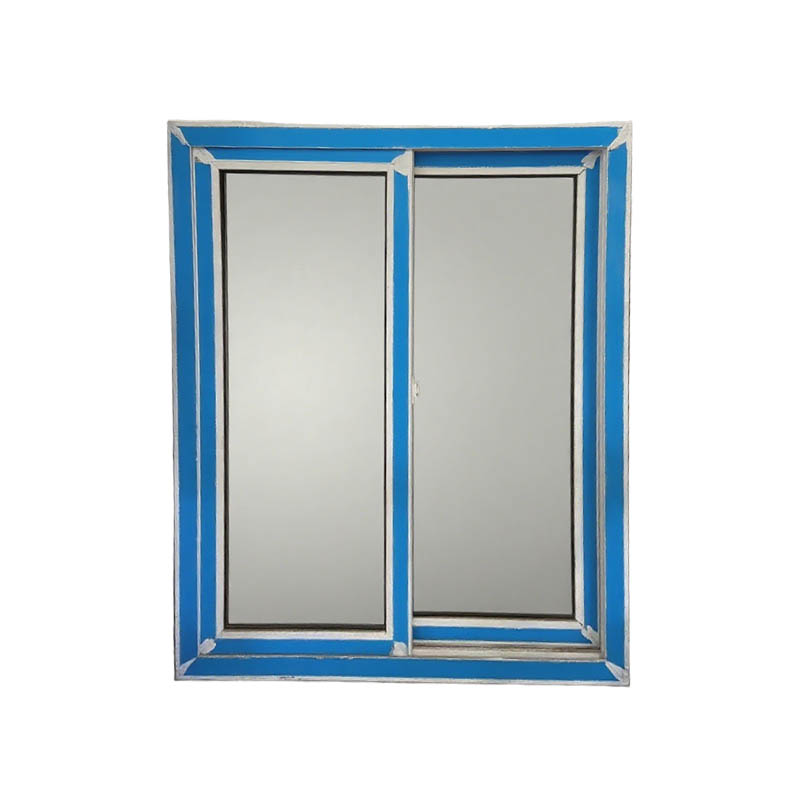
Broken bridge aluminum alloy sliding windows, widely used in modern architecture, effectively block the transfer of heat between indoors and outdoors thanks to their unique structural design, significantly improving the building's thermal insulation performance. Anodizing of the profiles, a key process for enhancing their overall performance, plays an irreplaceable role in improving weather resistance. This treatment creates a dense oxide film on the aluminum alloy surface, providing multiple layers of protection and enabling the profiles to better adapt to complex and changing climatic environments.
The core of anodizing lies in electrolysis, which promotes the formation of a thick and tightly structured aluminum oxide film on the aluminum alloy surface. This film bonds firmly to the substrate, becoming the first line of defense against external corrosion. Compared to naturally formed oxide films, anodized films have higher hardness and wear resistance, effectively resisting scratches and wear from daily use, thus extending the service life of broken bridge aluminum alloy sliding windows. Simultaneously, their excellent corrosion resistance ensures that the profiles remain stable in humid and highly acidic/alkaline environments, resisting corrosion reactions and ensuring the long-term aesthetics and functionality of the doors and windows.
In addressing climate change, anodizing imparts excellent UV resistance to broken bridge aluminum alloy sliding window profiles. Ultraviolet (UV) radiation is a major cause of material aging; prolonged exposure to sunlight accelerates fading and chalking of the profile surface. The anodized film effectively absorbs and reflects UV rays, reducing damage to the profile's internal structure and maintaining the window's vibrant color and surface gloss. Furthermore, this oxide film possesses a degree of self-healing ability; after minor scratches, it can react with oxygen in the air to gradually restore some of its protective function, further enhancing the profile's weather resistance.
In addition to UV resistance and corrosion resistance, anodizing significantly improves the temperature difference resistance of broken bridge aluminum alloy sliding window profiles. Under extreme climatic conditions, profiles need to withstand drastic temperature changes, which can cause material expansion or contraction, affecting the window's sealing and stability. The anodized film exhibits good thermal stability, maintaining structural integrity at high temperatures and preventing profile deformation; in low-temperature environments, it effectively reduces cold brittleness, ensuring the window can be opened and closed normally under various climatic conditions.
Anodizing also provides a wealth of decorative effects for broken bridge aluminum alloy sliding window profiles. By adjusting the thickness of the oxide film and the dyeing process, a variety of colors and textures can be chosen, from simple silver-white to retro bronze and stylish black, meeting the needs of different architectural styles and interior designs. This decorative effect not only enhances the aesthetics of doors and windows but also allows them to better integrate into the overall architectural environment, becoming an integral part of the building's appearance.
Anodizing also excels in environmental protection and sustainability. The process does not use harmful substances, produces less waste liquid and exhaust gas, and is easy to recycle and treat. Simultaneously, the anodized film has excellent insulation properties, reducing energy loss during use and improving the building's energy efficiency. This aligns with the energy-saving concept of broken bridge aluminum alloy sliding windows, jointly promoting the development of green buildings.
Anodizing of broken bridge aluminum alloy sliding window profiles plays a crucial role in improving weather resistance. By forming a dense, hard, and corrosion-resistant oxide film, it effectively resists the erosion of external factors such as ultraviolet rays, humidity, and acids and alkalis, extending the service life of doors and windows. At the same time, this processing technology also endows the profiles with rich decorative effects and good environmental performance, making them an indispensable door and window material in modern buildings.