


How to Balance Ventilation and Safety in Plastic Steel Sliding Windows for High-Rise Buildings in Cities?
Release Time : 2026-04-02
Plastic steel sliding windows are widely used in high-rise buildings in cities due to their simple structure and flexible opening. However, the higher wind speeds and risk of falling objects in high-rise environments place higher demands on the ventilation and safety of the windows. How to improve overall safety performance while ensuring airflow has become a key issue in the design and application of plastic steel sliding windows.
1. Optimized Structural Design Improves Ventilation Efficiency
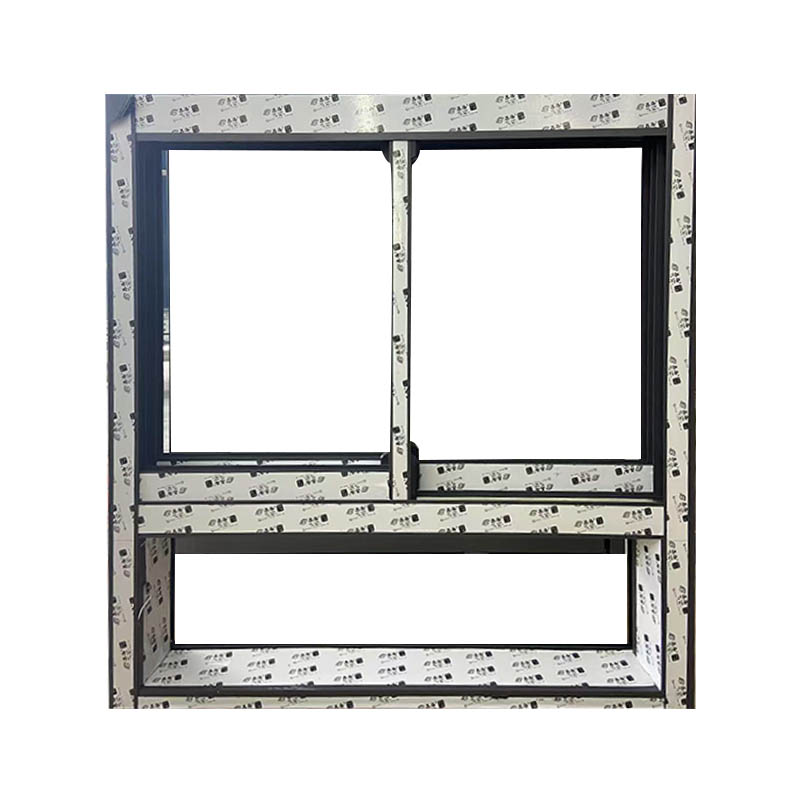
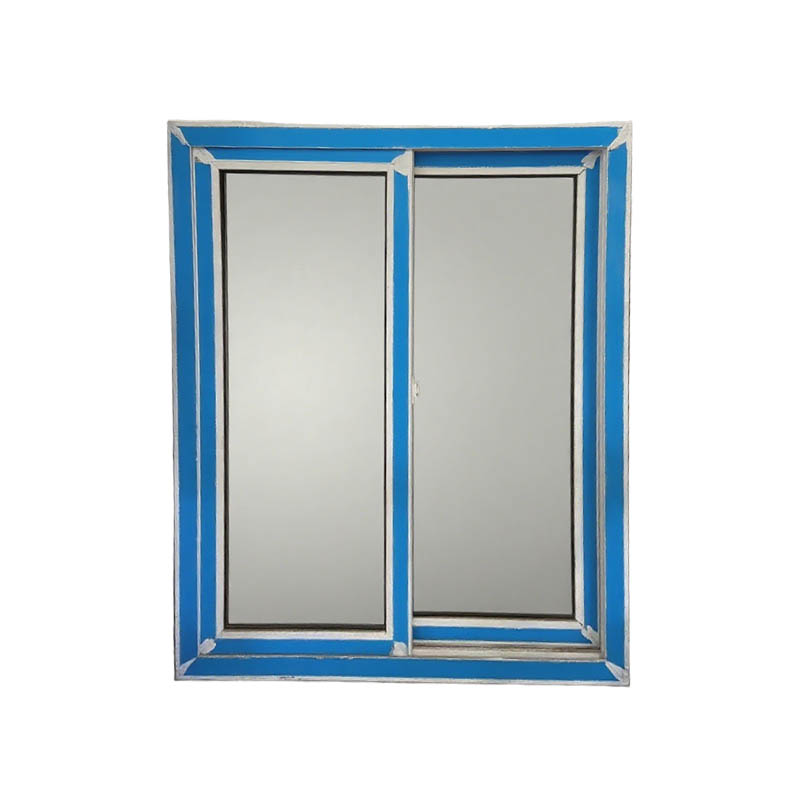
Plastic steel sliding windows typically use a left-right sliding opening mechanism, which saves more space compared to casement windows. In high-rise buildings, effective ventilation can be achieved by optimizing the window sash ratio and opening area. For example, using a large opening sash design or a double-track or triple-track structure can increase the ventilation area within a limited space. At the same time, by setting limit devices to control the opening range, airflow can be ensured while avoiding safety hazards caused by excessively large window openings.
2. Profiles and Sealing Systems Balance Airtightness and Stability
High-quality plastic steel profiles possess good strength and stability, and can remain undeformed in strong winds at high altitudes. Meanwhile, the multi-layered sealing structure not only improves airtightness and prevents rainwater backflow, but also enhances the overall stability of the window when closed. When ventilation is activated, the sealing strip maintains a certain degree of fit with the frame, reducing window sway and increasing user safety.
3. Enhanced Safety with Protective Devices
To prevent falls from heights or the entry of foreign objects, plastic steel sliding windows can typically be equipped with various protective features. For example, installing safety railings or invisible safety nets provides additional safety without affecting lighting and ventilation. Furthermore, details such as child safety locks and anti-accidental opening devices effectively prevent accidents, making them particularly suitable for families with elderly members or children.
4. Optimized Hardware System for User Experience and Stability
The rollers and track system of sliding windows directly affect their smoothness and safety. High-quality rollers can withstand the weight of the window sash and maintain stable operation over a long period, avoiding jamming or derailment. In high-rise environments, it is recommended to use hardware with anti-derailment designs and regularly maintain and clean the tracks to ensure the stability of the window during opening and closing.
5. Achieving Performance Balance Through Comprehensive Environmental Factors
High-rise buildings face more complex wind pressure, temperature differences, and climate changes. Therefore, the design of plastic steel sliding windows requires comprehensive consideration of multiple factors. For example, this includes adding wind-pressure-resistant structures, using double-glazed windows to improve overall weight and stability, and optimizing window placement to improve natural ventilation paths. Through systematic design, good ventilation can be ensured while maximizing protective performance.
In conclusion, the application of plastic steel sliding windows in urban high-rise buildings requires comprehensive optimization in structural design, material selection, protective configuration, and hardware systems. Only by achieving efficient ventilation while ensuring safety and reliability can the dual demands of comfort and safety in modern high-rise living environments be truly met.
1. Optimized Structural Design Improves Ventilation Efficiency
Plastic steel sliding windows typically use a left-right sliding opening mechanism, which saves more space compared to casement windows. In high-rise buildings, effective ventilation can be achieved by optimizing the window sash ratio and opening area. For example, using a large opening sash design or a double-track or triple-track structure can increase the ventilation area within a limited space. At the same time, by setting limit devices to control the opening range, airflow can be ensured while avoiding safety hazards caused by excessively large window openings.
2. Profiles and Sealing Systems Balance Airtightness and Stability
High-quality plastic steel profiles possess good strength and stability, and can remain undeformed in strong winds at high altitudes. Meanwhile, the multi-layered sealing structure not only improves airtightness and prevents rainwater backflow, but also enhances the overall stability of the window when closed. When ventilation is activated, the sealing strip maintains a certain degree of fit with the frame, reducing window sway and increasing user safety.
3. Enhanced Safety with Protective Devices
To prevent falls from heights or the entry of foreign objects, plastic steel sliding windows can typically be equipped with various protective features. For example, installing safety railings or invisible safety nets provides additional safety without affecting lighting and ventilation. Furthermore, details such as child safety locks and anti-accidental opening devices effectively prevent accidents, making them particularly suitable for families with elderly members or children.
4. Optimized Hardware System for User Experience and Stability
The rollers and track system of sliding windows directly affect their smoothness and safety. High-quality rollers can withstand the weight of the window sash and maintain stable operation over a long period, avoiding jamming or derailment. In high-rise environments, it is recommended to use hardware with anti-derailment designs and regularly maintain and clean the tracks to ensure the stability of the window during opening and closing.
5. Achieving Performance Balance Through Comprehensive Environmental Factors
High-rise buildings face more complex wind pressure, temperature differences, and climate changes. Therefore, the design of plastic steel sliding windows requires comprehensive consideration of multiple factors. For example, this includes adding wind-pressure-resistant structures, using double-glazed windows to improve overall weight and stability, and optimizing window placement to improve natural ventilation paths. Through systematic design, good ventilation can be ensured while maximizing protective performance.
In conclusion, the application of plastic steel sliding windows in urban high-rise buildings requires comprehensive optimization in structural design, material selection, protective configuration, and hardware systems. Only by achieving efficient ventilation while ensuring safety and reliability can the dual demands of comfort and safety in modern high-rise living environments be truly met.