


How Do Plastic Steel Sliding Windows Improve Soundproofing and Energy Efficiency in Modern Homes?
Release Time : 2026-04-29
In the modern era, the home is increasingly viewed as a sanctuary, a place of refuge from the noise, pollution, and energy demands of the outside world. As architectural standards evolve, homeowners and builders alike are placing a higher premium on materials that can deliver both superior comfort and environmental responsibility. Among the various innovations in building technology, plastic steel sliding windows have emerged as a cornerstone of modern residential design. These windows, crafted from polyvinyl chloride (PVC) reinforced with steel, offer a sophisticated solution to two of the most pressing concerns in contemporary living: soundproofing and energy efficiency.
The exceptional energy efficiency of plastic steel windows stems primarily from the inherent properties of the PVC material and the intelligent engineering of the window frames. Unlike traditional aluminum, which is a highly conductive metal that readily transfers heat and cold, PVC is a natural thermal insulator. This fundamental characteristic means that plastic steel frames act as a robust barrier against temperature transfer. Furthermore, modern manufacturing techniques have introduced multi-chambered frame structures. These internal cavities trap air, creating additional layers of insulation that significantly reduce the loss of indoor heat during the winter and prevent outdoor heat from infiltrating during the summer. This thermal stability allows indoor climates to remain consistent, drastically reducing the workload on heating and cooling systems.
Complementing the advanced frame design is the integration of high-performance glazing. Plastic steel windows are frequently paired with double or triple-layer hollow glass configurations. The space between these panes is often filled with inert gases like argon or krypton, which possess lower thermal conductivity than standard air. This combination of a thermally broken PVC frame and insulated glazing results in a remarkably low U-value, which is the industry standard for measuring heat transfer. A lower U-value indicates superior insulating power, meaning that homes equipped with these windows can achieve substantial reductions in energy consumption and utility costs while simultaneously lowering their overall carbon footprint.
Beyond thermal regulation, the acoustic performance of plastic steel sliding windows plays a vital role in enhancing the quality of domestic life. Urban environments are frequently plagued by the relentless din of traffic, construction, and neighborhood activity. The multi-chambered structure of the plastic steel profile does not merely serve as a thermal barrier; it also acts as an effective sound dampener. The varying thicknesses of the frame chambers and the glass panes work in unison to disrupt sound waves, preventing them from traveling freely into the living space. This ability to decouple the interior environment from external noise pollution is essential for creating a peaceful atmosphere conducive to rest and relaxation.
The sealing technology employed in plastic steel windows further elevates their soundproofing and energy-saving capabilities. High-quality models utilize durable, multi-point locking systems and resilient weatherstripping made from advanced elastomers. These seals ensure that when the sliding window is closed, it forms an airtight enclosure. This tight seal eliminates drafts and prevents the leakage of conditioned air, which is a common weakness in older or inferior window designs. By blocking the microscopic gaps through which both sound and air can pass, these windows ensure that the interior environment remains hermetically sealed against the elements and the cacophony of the outside world.
In addition to their performance metrics, plastic steel windows offer exceptional durability with minimal maintenance requirements. The PVC material is highly resistant to moisture, rust, and corrosion, making it impervious to the damaging effects of rain and humidity. Unlike wood, which requires periodic sanding and painting, or untreated metal, which can oxidize, plastic steel retains its structural integrity and aesthetic appearance over decades of use. It is also engineered to withstand ultraviolet radiation, ensuring that the frames do not fade, yellow, or become brittle under prolonged exposure to sunlight. This longevity ensures that the energy efficiency and soundproofing benefits remain consistent throughout the lifespan of the product.
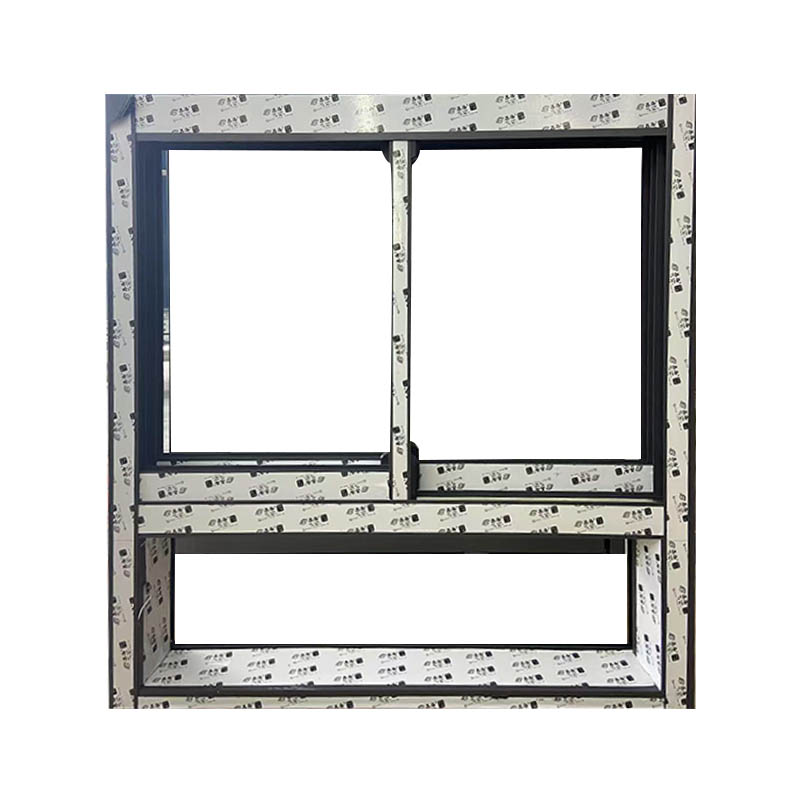
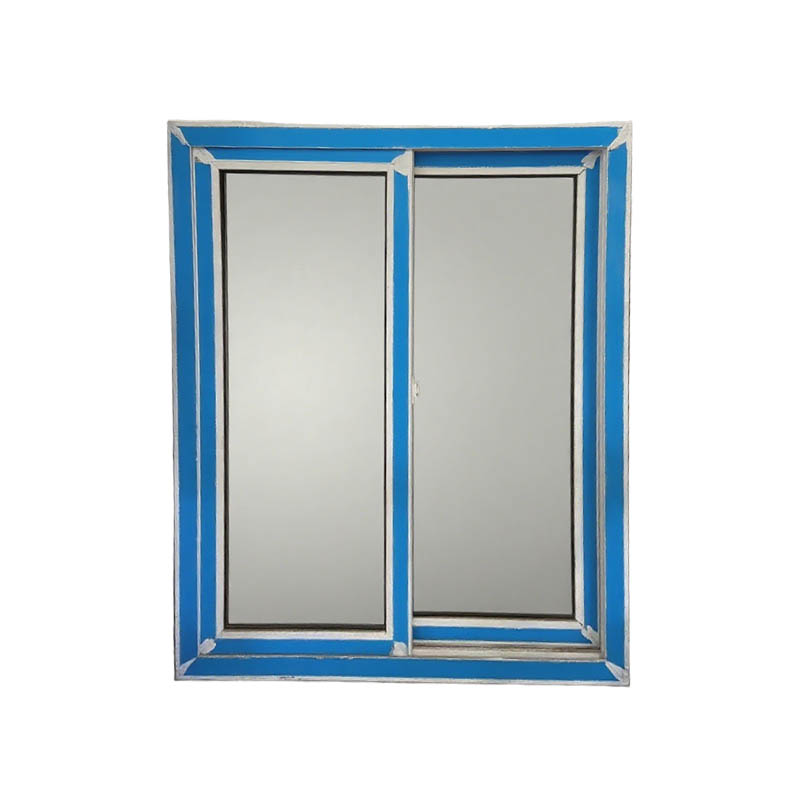
The sliding mechanism of these windows adds another layer of functional elegance to modern homes. Designed for smooth operation, they provide excellent ventilation options without encroaching on interior or exterior space, making them ideal for apartments and homes with limited room. When combined with the robust security features often integrated into the steel reinforcement, such as multi-point locks and laminated safety glass, plastic steel sliding windows provide a comprehensive package of safety, convenience, and performance.
Ultimately, the adoption of plastic steel sliding windows represents a forward-thinking investment in the comfort and sustainability of the home. By seamlessly blending advanced thermal insulation with effective noise reduction, these windows address the core needs of modern living. They transform a house into a quiet, energy-efficient haven, proving that the right building materials can profoundly influence the way people experience their daily lives.
The exceptional energy efficiency of plastic steel windows stems primarily from the inherent properties of the PVC material and the intelligent engineering of the window frames. Unlike traditional aluminum, which is a highly conductive metal that readily transfers heat and cold, PVC is a natural thermal insulator. This fundamental characteristic means that plastic steel frames act as a robust barrier against temperature transfer. Furthermore, modern manufacturing techniques have introduced multi-chambered frame structures. These internal cavities trap air, creating additional layers of insulation that significantly reduce the loss of indoor heat during the winter and prevent outdoor heat from infiltrating during the summer. This thermal stability allows indoor climates to remain consistent, drastically reducing the workload on heating and cooling systems.
Complementing the advanced frame design is the integration of high-performance glazing. Plastic steel windows are frequently paired with double or triple-layer hollow glass configurations. The space between these panes is often filled with inert gases like argon or krypton, which possess lower thermal conductivity than standard air. This combination of a thermally broken PVC frame and insulated glazing results in a remarkably low U-value, which is the industry standard for measuring heat transfer. A lower U-value indicates superior insulating power, meaning that homes equipped with these windows can achieve substantial reductions in energy consumption and utility costs while simultaneously lowering their overall carbon footprint.
Beyond thermal regulation, the acoustic performance of plastic steel sliding windows plays a vital role in enhancing the quality of domestic life. Urban environments are frequently plagued by the relentless din of traffic, construction, and neighborhood activity. The multi-chambered structure of the plastic steel profile does not merely serve as a thermal barrier; it also acts as an effective sound dampener. The varying thicknesses of the frame chambers and the glass panes work in unison to disrupt sound waves, preventing them from traveling freely into the living space. This ability to decouple the interior environment from external noise pollution is essential for creating a peaceful atmosphere conducive to rest and relaxation.
The sealing technology employed in plastic steel windows further elevates their soundproofing and energy-saving capabilities. High-quality models utilize durable, multi-point locking systems and resilient weatherstripping made from advanced elastomers. These seals ensure that when the sliding window is closed, it forms an airtight enclosure. This tight seal eliminates drafts and prevents the leakage of conditioned air, which is a common weakness in older or inferior window designs. By blocking the microscopic gaps through which both sound and air can pass, these windows ensure that the interior environment remains hermetically sealed against the elements and the cacophony of the outside world.
In addition to their performance metrics, plastic steel windows offer exceptional durability with minimal maintenance requirements. The PVC material is highly resistant to moisture, rust, and corrosion, making it impervious to the damaging effects of rain and humidity. Unlike wood, which requires periodic sanding and painting, or untreated metal, which can oxidize, plastic steel retains its structural integrity and aesthetic appearance over decades of use. It is also engineered to withstand ultraviolet radiation, ensuring that the frames do not fade, yellow, or become brittle under prolonged exposure to sunlight. This longevity ensures that the energy efficiency and soundproofing benefits remain consistent throughout the lifespan of the product.
The sliding mechanism of these windows adds another layer of functional elegance to modern homes. Designed for smooth operation, they provide excellent ventilation options without encroaching on interior or exterior space, making them ideal for apartments and homes with limited room. When combined with the robust security features often integrated into the steel reinforcement, such as multi-point locks and laminated safety glass, plastic steel sliding windows provide a comprehensive package of safety, convenience, and performance.
Ultimately, the adoption of plastic steel sliding windows represents a forward-thinking investment in the comfort and sustainability of the home. By seamlessly blending advanced thermal insulation with effective noise reduction, these windows address the core needs of modern living. They transform a house into a quiet, energy-efficient haven, proving that the right building materials can profoundly influence the way people experience their daily lives.