


Why can broken bridge aluminum alloy casement windows simultaneously meet the requirements of aesthetic design and high-strength structure?
Release Time : 2026-05-07
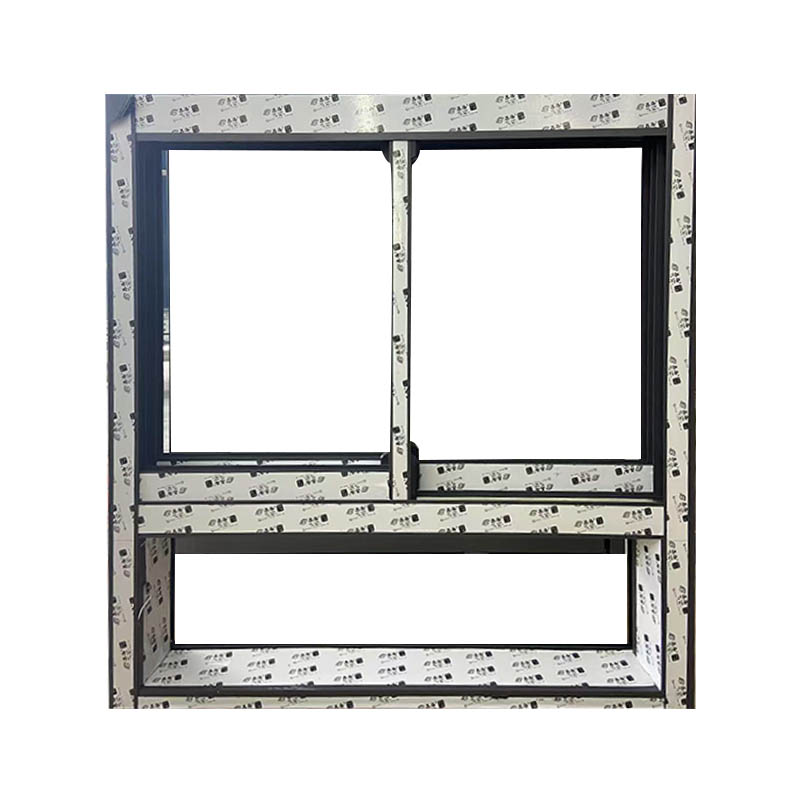
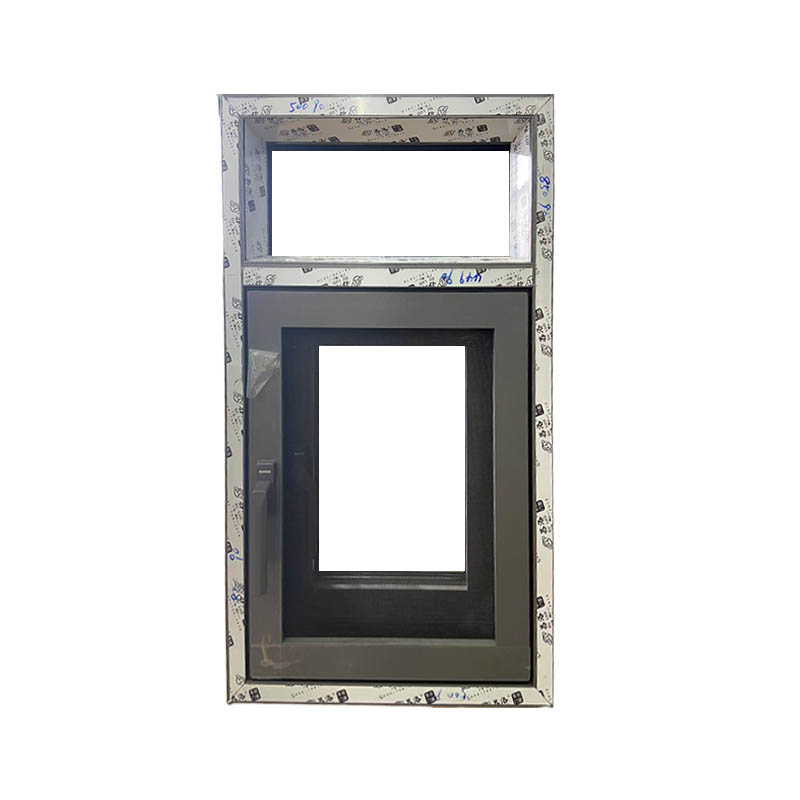
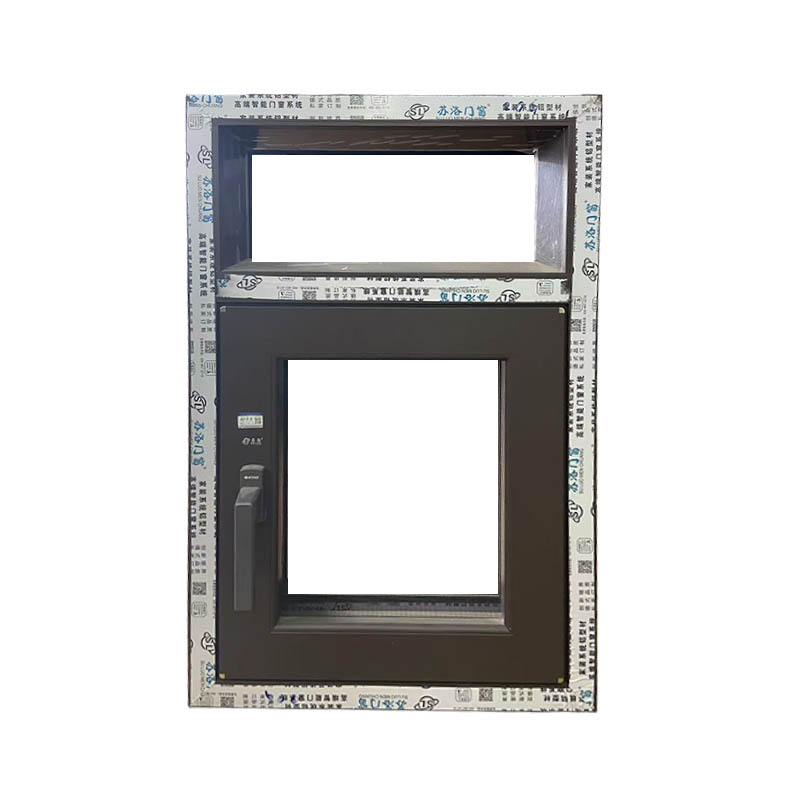
In modern architectural design, doors and windows not only serve the functions of ventilation, lighting, and security, but also directly affect the overall architectural style and living experience. As people's requirements for energy conservation, aesthetics, and structural safety continue to increase, broken bridge aluminum alloy casement windows are gradually becoming the mainstream choice for residential and commercial buildings.
1. Aluminum Alloy Material Enhances Overall Structural Strength
Broken bridge aluminum alloy casement windows are made of high-strength aluminum alloy profiles, whose metal itself has good tensile strength and deformation resistance. Compared to ordinary PVC windows or wooden windows, aluminum alloy is less prone to bending, cracking, or aging during long-term use, and can maintain stable support even with large glass areas. This makes broken bridge aluminum alloy windows suitable not only for ordinary residences, but also for high-rise buildings, large floor-to-ceiling windows, and commercial curtain walls—scenarios with high structural strength requirements.
2. Broken Bridge Structure Balances Performance and Aesthetic Design
The term "broken bridge" refers to the addition of thermal break strips inside the aluminum alloy profile, effectively separating the indoor and outdoor metal parts. This structure not only improves thermal insulation performance but also allows for a more refined window design. Because thermally broken aluminum profiles can achieve a multi-cavity structural design, they can maintain strength while allowing for slimmer window frame lines, thus enhancing the overall visual appeal. Modern architecture increasingly emphasizes simplicity and transparency, and thermally broken aluminum casement windows can provide a larger glass area for light transmission while reducing the feeling of heaviness.
3. Diverse Surface Treatments Enhance Decorative Effects
Broken bridge aluminum alloy casement windows are not only structurally stable but also possess strong decorative adaptability. Through processes such as spraying, fluorocarbon treatment, wood grain transfer, and anodizing, the window surface can present rich colors and textures. This allows it to meet the needs of modern minimalist styles as well as various architectural designs such as Neo-Chinese, European, or industrial styles. Furthermore, the aluminum alloy surface treatment provides strong corrosion resistance, preventing fading or rusting even after long-term exposure to sunlight, rain, or humid environments, thus maintaining its long-term aesthetic appeal.
4. Casement Structure Enhances Stability and Sealing Performance
Compared to sliding windows, casement windows, when closed, are tightly sealed to the frame via hardware, resulting in superior stability and sealing performance. This structure not only improves sound insulation, windproofing, and waterproofing but also enhances overall wind pressure resistance. Especially in high-rise buildings, casement windows effectively resist strong winds and reduce the risk of window swaying. Furthermore, high-quality hardware systems ensure smooth opening and closing over the long term, simultaneously improving structural stability and user experience.
5. Meets the Energy Efficiency and Safety Needs of Modern Buildings
Modern buildings not only pursue aesthetic design but also emphasize energy efficiency and safety. Broken bridge aluminum alloy casement windows, through double-glazed windows, multiple sealing strips, and a thermal break structure, effectively reduce heat loss and improve indoor comfort. Simultaneously, their high-strength frame can withstand significant external pressure, offering greater reliability in terms of burglary prevention, fall prevention, and resistance to severe weather. This combination of aesthetics and performance makes them an important choice for high-end residences and green buildings.
Therefore, the reason why broken bridge aluminum alloy casement windows can simultaneously meet the requirements of aesthetic design and high-strength structure is mainly due to the high-strength aluminum alloy material, thermal break structure, diverse decorative techniques, and stable casement system design.
1. Aluminum Alloy Material Enhances Overall Structural Strength
Broken bridge aluminum alloy casement windows are made of high-strength aluminum alloy profiles, whose metal itself has good tensile strength and deformation resistance. Compared to ordinary PVC windows or wooden windows, aluminum alloy is less prone to bending, cracking, or aging during long-term use, and can maintain stable support even with large glass areas. This makes broken bridge aluminum alloy windows suitable not only for ordinary residences, but also for high-rise buildings, large floor-to-ceiling windows, and commercial curtain walls—scenarios with high structural strength requirements.
2. Broken Bridge Structure Balances Performance and Aesthetic Design
The term "broken bridge" refers to the addition of thermal break strips inside the aluminum alloy profile, effectively separating the indoor and outdoor metal parts. This structure not only improves thermal insulation performance but also allows for a more refined window design. Because thermally broken aluminum profiles can achieve a multi-cavity structural design, they can maintain strength while allowing for slimmer window frame lines, thus enhancing the overall visual appeal. Modern architecture increasingly emphasizes simplicity and transparency, and thermally broken aluminum casement windows can provide a larger glass area for light transmission while reducing the feeling of heaviness.
3. Diverse Surface Treatments Enhance Decorative Effects
Broken bridge aluminum alloy casement windows are not only structurally stable but also possess strong decorative adaptability. Through processes such as spraying, fluorocarbon treatment, wood grain transfer, and anodizing, the window surface can present rich colors and textures. This allows it to meet the needs of modern minimalist styles as well as various architectural designs such as Neo-Chinese, European, or industrial styles. Furthermore, the aluminum alloy surface treatment provides strong corrosion resistance, preventing fading or rusting even after long-term exposure to sunlight, rain, or humid environments, thus maintaining its long-term aesthetic appeal.
4. Casement Structure Enhances Stability and Sealing Performance
Compared to sliding windows, casement windows, when closed, are tightly sealed to the frame via hardware, resulting in superior stability and sealing performance. This structure not only improves sound insulation, windproofing, and waterproofing but also enhances overall wind pressure resistance. Especially in high-rise buildings, casement windows effectively resist strong winds and reduce the risk of window swaying. Furthermore, high-quality hardware systems ensure smooth opening and closing over the long term, simultaneously improving structural stability and user experience.
5. Meets the Energy Efficiency and Safety Needs of Modern Buildings
Modern buildings not only pursue aesthetic design but also emphasize energy efficiency and safety. Broken bridge aluminum alloy casement windows, through double-glazed windows, multiple sealing strips, and a thermal break structure, effectively reduce heat loss and improve indoor comfort. Simultaneously, their high-strength frame can withstand significant external pressure, offering greater reliability in terms of burglary prevention, fall prevention, and resistance to severe weather. This combination of aesthetics and performance makes them an important choice for high-end residences and green buildings.
Therefore, the reason why broken bridge aluminum alloy casement windows can simultaneously meet the requirements of aesthetic design and high-strength structure is mainly due to the high-strength aluminum alloy material, thermal break structure, diverse decorative techniques, and stable casement system design.